Yesterday, I had a one-on-one dinner with someone I had just met. What was supposed to be casual quickly turned into a full-course lesson on how family patterns and old habits can run deep: alive, dead, and even in spirit.
Appetizer: He started with his ex-wife of ten years, calling her a “freeloader” because she was a housewife. Ten years of building a life together, and suddenly it’s freeloader territory just because things went sour. Cue the classic ‘poor me’ energy, he was glad for the prenup and kept wondering why friends and family hadn’t warned him. It struck me how often family opinions, expectations, and old wounds frame how we see our partners, even long after childhood.
Soup: Next came his dating history. He talked about women “out of his league” and how his mom always warned him to be careful because he’s the innocent Mr. Right, in her eyes. It was a taste of how parental guidance can mix with ego, and how those dynamics don’t just stay in childhood. They trail right into adult relationships.
Entrée: Then came the heavy course: money, flash, and legacy. He told me about an expensive necklace meant for his late brother. His mom had told him not to give it to the sister-in-law because once his brother passed, she became “just a stranger.” That’s where I sat back, realizing selfishness doesn’t appear out of thin air. It gets modeled. It gets passed down.
Over-the-Top Dessert: And just when I thought the meal was over, he served the richest, most nauseating bite of all. He told me about visiting a medium (not me), where a session that was supposed to be healing instead turned into a threat. His late brother’s spirit apparently showed up to warn the widow not to date anyone, or else there’d be revenge from the other side. That’s not dessert, that’s poison cake. Imagine entitlement so ingrained it doesn’t just stop at death. It carries on in spirit. Generational dysfunction, with whipped cream and a cherry on top.
By the time I got home, I felt like I’d eaten a five-course dinner even though my plate stayed full. Appetizer, soup, entrée, and that over-the-top dessert. It was a masterclass in how multigenerational patterns can screw people up if they’re never questioned, healed, or released. Alive or dead, these patterns don’t disappear. They stick, bleed through families, and spill into the next generation until someone finally decides to cut the cord, reflect, do the inner work, and heal.
This dinner wasn’t about judging anyone. It was about seeing, up close, how much the family patterns shape people, and how they show up in all of us if we don’t pay attention. Sometimes that means being the outcast, the black sheep. The one who notices the poison in the meal and refuses to eat it. Healing isn’t optional if we want to break the chain for ourselves, and for the generations who come after us.
Digestif: Dysfunction doesn’t vanish on its own. Somebody in the family has to decide they’re done swallowing the poison. Healing a family tree isn’t about pretending the past didn’t happen or keeping everything polite at the dinner table. It’s about calling out the patterns, breaking loyalty to old toxic rules, and refusing to pass them on.
That can look like therapy, trauma work, or spiritual practices like cord-cutting and ancestral clearing. It can look like choosing boundaries so tight they shock everyone who’s used to entitlement. It can even look like being the first one in your family to say, “No, this ends with me.”
Generational healing is gritty work. It means grieving what you didn’t get, facing what your parents couldn’t face, and forgiving without letting people keep their grip on you. But once you do it, the chain breaks. The poison meal doesn’t get served anymore. And that’s the real legacy worth leaving behind.
Kari Light ❤
“Any resemblance to actual people is coincidental. This is a reflection on family patterns and generational dynamics, not a personal attack.”
© 2026 karilight.com. All rights reserved.
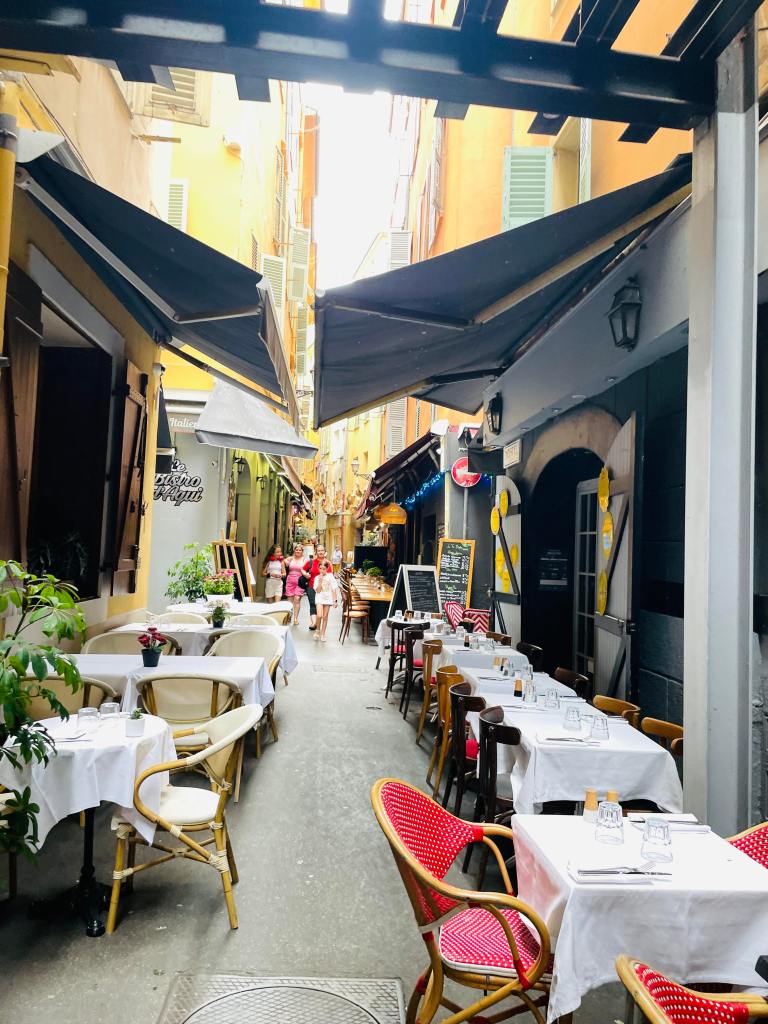
Photo taken by Kari Light. Nice, France Summer 2025.

